

Why Plush + Oak Ergonomic Beds Are The Best Lash Bed for Artists
If you're a lash artist, you already know the massage table isn't working.
You've felt it in your back after the third set of the day. You've watched your client shift mid-application because the surface is too firm. You've spent hundreds on toppers, wedge pillows, and bolsters trying to make a $400 table do a job it was never designed for — and the setup still looks like a DIY project.
I started Plush + Oak because I lived this. As a salon owner managing a team of lash artists, I watched every artist in my studio fight their furniture. The massage tables had legs in the wrong place. The foam went flat in months. The clients were uncomfortable. The rooms looked thrown together no matter how much we spent on décor.
So we built something different. And it changed everything — for the artists, for the clients, and for the businesses that invested in it.
Here's the honest comparison every lash artist should read before spending another dollar on furniture.

What About Imported Electric Spa Beds?


1. The Edda Cloud Ergonomic Salon Bed


2. The Brynn Ergonomic Salon Bed


Motor 1 adjusts the overall height to match your ergonomic needs. Motor 2 raises or lowers the knee area, distributing weight evenly and reducing lower back strain for the client. Motor 3 tilts the backrest from fully flat to 45 degrees — flat for lash services, angled for consultations.

4. The Vera 360 — Hydraulic Height Control, No Cords
The Vera 360 is for lash artists who want height adjustment without the complexity of an electric bed. A smooth hydraulic system lets you set the exact working height for your body — lock it with the foot pedal, and it stays. No floor cords. No motors. No outlets to plan around.
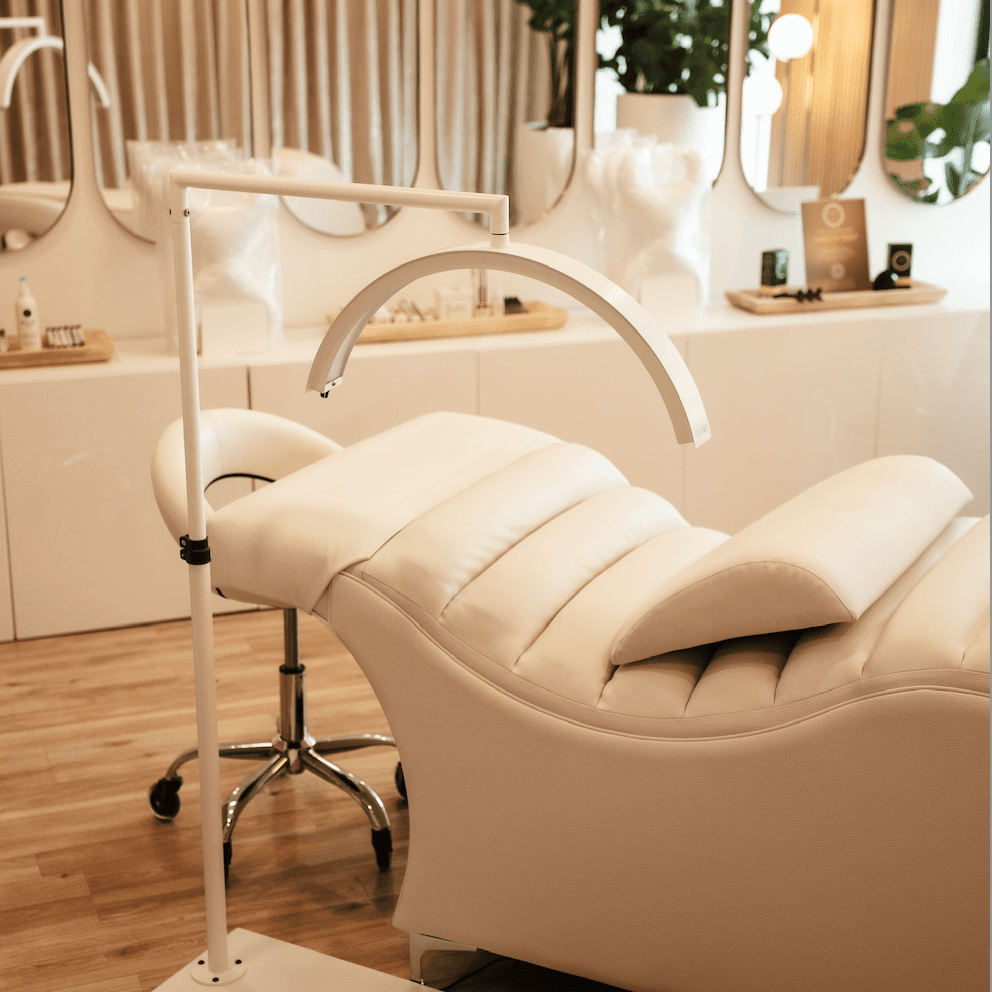
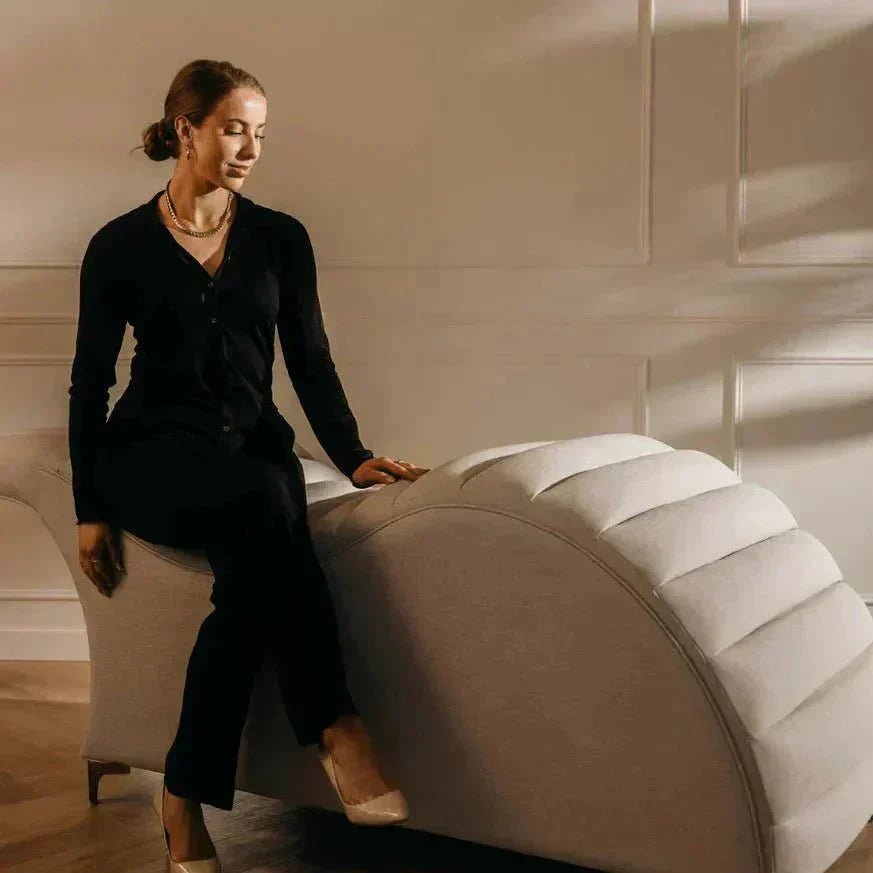
It still features the same anti-gravity ergonomic curve as the Edda and Brynn, though slightly shallower — which makes it versatile for artists splitting time between lash work and other services like facials or brow work. The 360-degree swivel means you can rotate the entire bed to catch better light or reposition for different service types without moving the base.
If your main frustration with a static bed is that the height doesn't match your body, the Vera 360 solves that one problem without adding the complexity of everything else.
Shop and Customize your Vera 360 HERE.
5. The Vera LOFT — Full Recline Without Electricity

The Vera LOFT takes everything the 360 offers and adds a clicker-recliner mechanism that moves the client from fully flat to a true 90-degree upright sit. No electric bed on the market matches that full range — the Oxford reaches 75 degrees. The LOFT reaches 90.
For lash artists, the flat position is where you'll spend most of your time. But the upright option changes how you do consultations, before-and-after reveals, and any service component where the client needs to sit up. You're not asking them to awkwardly prop themselves up on a flat bed. One smooth adjustment and they're seated.
Hydraulic height control, full swivel, full recline — all without a single cord on the floor.
Shop and Customize your Vera LOFT HERE.
The Real Cost Over Five Years
Most lash artists compare purchase prices. That's the wrong number. Here's what each option actually costs over five years of full-time practice:
Massage Table Route: Table ($400) + topper ($350) + wedge pillow ($250) + replacement table in year 2 ($400) + replacement topper ($350) + sheets and laundry ($40/month × 60 months = $2,400). Five-year total: approximately $4,150. And your room still looks like a massage table with accessories.
Imported Electric Bed: Purchase ($3,000) + sheets ($30/month × 60 = $1,800) + possible replacement in year 4 ($3,000). Five-year total: $4,800–$7,800.
Plush + Oak Edda Cloud: Purchase ($2,486–$3,486 depending on configuration). Sheets: $0. Toppers: $0. Replacement: $0 — tensile suspension means it doesn't flatten. Five-year total: $2,486–$3,486. One purchase. Done.
The premium option is the cheapest option over time. And that's before you factor in the revenue impact.
What Happens After You Switch
We survey every Plush + Oak customer. Here's what they tell us:
98% said both they and their clients are significantly more comfortable. That translates to clients who stay still during the set and artists who don't hurt at the end of the day.
93% saw their revenue increase. Some of that is volume — you can do more sets when you're not exhausted. Some is pricing — a room that looks professional supports professional rates. Some is rebooking — comfortable clients come back.
87% said the bed helped them attract new clients. Your room is your marketing. When a potential client sees your studio on Instagram, they make a decision about your skill level based on how the space looks. A purpose-built lash bed in a custom color tells a different story than a massage table with a topper.
68% saw their Instagram following grow after posting photos of their Plush + Oak bed. That's not about the bed being photogenic — it's about the room looking intentional enough that people want to engage with it.
Custom always Wins
Every Plush + Oak bed is made to order. You're not picking from three stock colors — you're choosing from over 25 shades across multiple materials. Whether your studio is minimal and bright or warm and moody, the bed matches your brand. Tobacco leather. Blush linen. Sage. Charcoal. Pearl. The bed becomes part of your room's identity, not a generic piece of equipment you have to design around.
Custom metal hardware options let you match the base to your room's accent — brushed brass, matte black, chrome. Every detail is a choice. Nothing is default.
Your Room. Your Body. Your Business.
A massage table costs your body, your photos, and eventually your clients. An import bed costs more than it's worth. A Plush + Oak bed costs less over time, lasts longer, and changes how your studio looks, feels, and performs.
Your clients are investing in you every time they book. The right lash bed is how you invest back.
Questions about sizing, colors, or which model fits your studio? Book a free consultation — we'll help you get it right the first time.
Shop the Full Lash Artist Collection